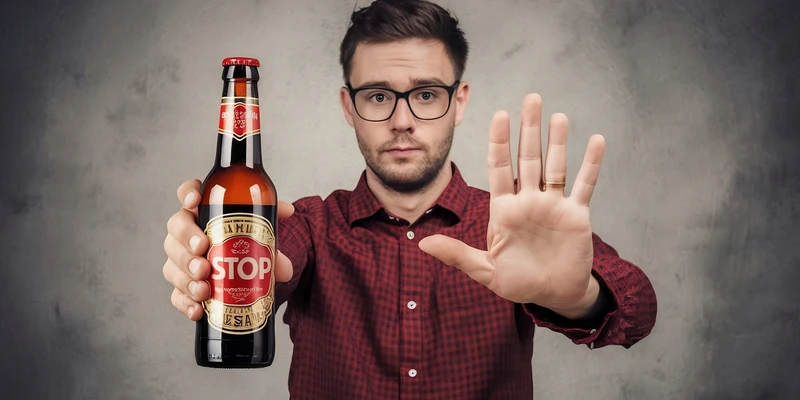
Choosing to change your relationship with alcohol is a personal and often difficult decision. This guide explores the best ways to stop drinking, offering practical strategies that support physical and emotional well-being.
Whether you’re cutting back or aiming to live alcohol-free, understanding your options can help you take important steps toward long-term sobriety and recovery. Read on as our experts in Luxe Recovery guide you on how you can quit drinking alcohol for good.
Understanding Alcohol Use
Alcohol use is common in many social settings, and for some, it becomes a regular part of daily life. You may drink to relax, to cope with stress, or to feel more at ease in social situations. Over time, your body and brain can become dependent on alcohol, even if the original reasons for drinking no longer apply.
What starts as occasional use can gradually develop into a pattern that affects your physical health, mood, sleep, and ability to manage responsibilities. Recognizing how alcohol fits into your routine is a key part of understanding its role in your overall well-being.
What are the Best Ways to Stop Drinking Alcohol?
Effective change begins with a clear plan and consistent habits that support your physical, emotional, and social well-being throughout the recovery process. Here are some of the best ways to stop drinking alcohol completely:
Set a Specific and Achievable Goal
Setting a goal gives your efforts direction and structure. For example, you may choose to reduce how much you drink, define what success looks like for you, and write it down. Choose realistic goals based on your current drinking pattern and personal circumstances.
Tracking your progress, such as daily, weekly, or monthly, can help you stay focused and adjust your plan when needed. Remember that a clear and achievable target reinforces your intention and helps you build commitment over time.
Identify Triggers and High-Risk Situations
Recognizing what leads you to drink is essential in making lasting changes. You might notice that certain places, people, or emotions increase the urge to drink. By identifying these triggers, you can begin to reduce your exposure to them or prepare coping strategies in advance.
This awareness helps you stay in control when vulnerable moments arise. Keeping a journal can help track patterns and provide awareness over time.
Create a Structured Daily Routine
Establishing a consistent routine is essential during recovery. You can include regular sleep, meals, exercise, and planned activities that keep your mind and body engaged.
When your day is structured, there’s less space for unplanned drinking or idle time that may lead to temptation. A routine also gives your brain time to reset, which can help you rebuild focus, energy, and a sense of normalcy in daily life without alcohol.
Develop Healthy Coping Mechanisms
Replacing alcohol with healthy coping tools can support long-term recovery. For example, you can explore strategies like physical activity, mindfulness, meditation, journaling, or hobbies that give you a sense of accomplishment.
These alternatives can help reduce the emotional discomfort that often triggers alcohol use. Over time, using these techniques can improve your ability to manage stress and regulate your emotions without relying on drinking.
Build a Strong Support Network
Support from others can provide you with encouragement and a sense of connection. Friends, family, or a support group can provide insight and help you stay on track.
Surrounding yourself with people who respect your decision to stop drinking makes it easier to stay consistent. You may also find that open and honest conversations can reduce feelings of isolation and reinforce your motivation.
Seek Professional Help
Professional support can guide you through complex aspects of recovery. Therapists, addiction specialists, or medical professionals can provide personalized care, especially if you’re managing symptoms of alcohol use disorder or entering a medically supervised alcohol detox. Seeking help early increases safety and gives you access to various interventions that can support long-term progress.
Need Help With Alcohol?
Benefits of Quitting Alcohol
Stopping alcohol use supports your body’s natural healing and improves both your physical health and emotional well-being over time. Generally, you’ll get the following when you quit drinking completely:
Improved Liver Health
When you stop drinking, your liver can begin to recover from the damage caused by alcohol. Reduced alcohol intake lowers inflammation and fat accumulation in the liver, thereby improving its ability to filter toxins and regulate metabolism. This healing process reduces the risk of serious liver diseases like cirrhosis and hepatitis.
Better Mental Health
Quitting alcohol also helps rebalance brain chemicals that influence mood and anxiety. Without alcohol’s depressant effects, you may experience clearer thinking, reduced irritability, and more stable emotions. Over time, this can improve your ability to cope with stress, lower symptoms of depression, and support overall psychological wellness.
Enhanced Sleep and Energy Levels
Alcohol can disrupt your natural sleep patterns and cause restless or fragmented rest. After quitting, your sleep cycles gradually normalize, resulting in more restorative sleep. This improved rest increases daytime energy, sharpens concentration, and enhances your ability to engage fully in daily activities.
Lower Risks of Chronic Diseases
Reducing or stopping alcohol use decreases your risk for a range of chronic illnesses, including heart disease, certain cancers, stroke, and high blood pressure. These health benefits support long-term wellness and can help you maintain better overall physical health as you continue your recovery journey.
What is Alcohol Addiction?
Alcohol addiction, or alcoholism, is a chronic condition characterized by an inability to control drinking despite negative consequences. When you develop this condition, you may find yourself craving alcohol, developing tolerance, and continuing to drink even when it harms your health, relationships, or daily life. This compulsive pattern results from changes in brain chemistry that reinforce alcohol use.

Alcohol Withdrawal Symptoms After Quitting Drinking
When you stop drinking, your body reacts to the absence of alcohol in the form of withdrawal symptoms. Typically, you may experience sweating, shaking, anxiety, nausea, and irritability.
In some cases, more severe symptoms like delirium tremens may occur. If this happens, urgent medical supervision is important to manage withdrawal safely and effectively.
Alcohol Addiction Treatment Options
Treatment for alcohol addiction involves a range of approaches based on your unique needs. Options may include medically supervised detox to manage withdrawal, residential treatment for intensive care, individual and group therapy to address behavioral patterns, and medication to reduce cravings. Support networks and aftercare programs are also essential for maintaining your progress.
Combining these methods provides a comprehensive framework that supports physical recovery, emotional growth, and the development of healthier coping skills throughout your recovery journey.
Assess Your Relationship With Alcohol
Understanding how alcohol fits into your life is the first step toward change. Reflect on how often and why you drink, and consider the effects it has on your health, relationships, and daily functioning.
Being honest about these patterns helps you recognize areas that need attention and guides you in making better decisions about reducing or stopping alcohol use.
Build a Life Beyond Alcohol at Luxe Recovery
There comes a time when living with alcohol just isn’t sustainable, and that moment can be the turning point. Every step you take toward change lays the foundation for a life beyond alcohol, and every small effort matters.
Luxe Recovery offers a space where you can slow down, reflect, and start anew. With our compassionate and expert care, we help you build a foundation for a life that feels connected and meaningful with a professional alcohol addiction therapy in Los Angeles.
FAQ
What Can I Do When Craving Feels Overwhelming?
Cravings can feel intense, but they usually pass within minutes. Try grounding techniques like deep breathing or focusing on your surroundings. Engage in healthy distractions, such as walking or calling a friend, or talk to a support person.
How do I Know If I Have a Drinking Problem that Needs Attention?
If alcohol is affecting your physical health, emotional well-being, relationships, or ability to manage responsibilities, it may be time to seek help. A professional assessment can help you understand your situation and guide your next steps.
What is the First Step If I Want to Stop Drinking?
The first step is deciding to make a change, whether that means cutting back or quitting altogether. Set a clear and achievable goal, and then reach out to a healthcare provider or a support service. Having guidance from the start increases your chances of a safe and successful transition.
Can Detox Help You Safely Give Up Alcohol at Home?
While some people manage mild withdrawal at home, detoxing without medical support can be dangerous, especially for those with a history of heavy or long-term drinking. Medical detox offers supervision, safety, and comfort during withdrawal and can reduce the risk of complications.
Is it Normal to Feel Anxious or Depressed After Quitting?
Yes. Emotional symptoms like anxiety, irritability, or low mood are common in early recovery as your brain adjusts to functioning without alcohol. These feelings usually improve over time, but if they persist or worsen, seeking professional mental health support is essential.
How do I Stay Motivated to Quit Drinking When Progress Feels Slow?
Remind yourself why you started, track small wins, and stay connected to support groups to stay motivated. Remember that progress takes time, and consistency is what builds lasting change.