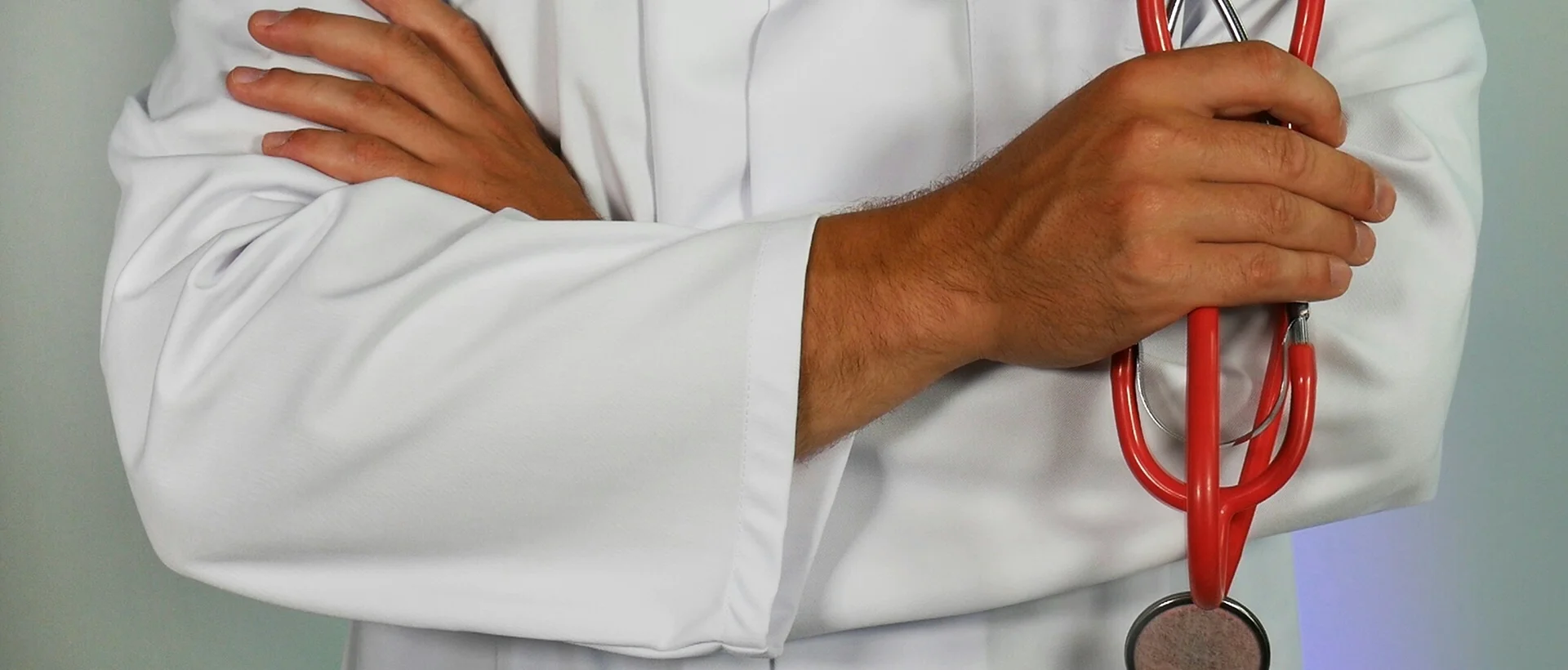
People take prescription medication for a variety of reasons. Some people take them to manage mental health conditions, others take them to manage pain, and some misuse them and take them recreationally or because they’ve developed a substance use disorder and can’t stop.
Prescription drug abuse recovery programs help you break free from dependence and regain control over your life. If you or someone you care about is struggling with prescription drug misuse, finding the right addiction treatment programs matters in recovery.
Understanding Prescription Drug Abuse and Addiction
Addiction to prescription medication can affect anyone, no matter the type of medication they take. Some drugs, such as painkillers and anxiety meds, for example, are more likely to be misused.
Spotting the signs of struggling with addiction and health risks early on makes a huge difference. When you catch it soon enough, you can get help before things spiral and get out of control.
Commonly Abused Prescription Drugs
Abuse often starts with a prescription for pain, anxiety, or sleep issues. Medications such as opioids (like oxycodone, hydrocodone, morphine), benzodiazepines (Xanax, Valium), stimulants (Adderall), and Z-drugs for sleep are examples of medications that can be used.
Prescription substance abuse might mean taking bigger doses, crushing pills, or using meds that weren’t prescribed to you.
Signs and Symptoms of Prescription Drug Abuse
Keep an eye out for changes like taking more than prescribed, ‘losing’ meds often, or doctor shopping, which is going from one doctor to another to get more prescriptions. Mood swings, irritability, and losing interest in stuff you once liked can also be red flags.
Physical clues might be drowsiness, slurred speech, confusion, or slow breathing. Missing pills, secretive behavior, or sudden money problems. These are all possible signs, though sometimes it’s hard to spot right away.
Impact on Physical and Mental Health
The dangers of developing an addiction to prescription drugs can vary based on the substances. Stimulants can lead to heart trouble and paranoia, and opioids are incredibly addictive and have led to thousands of overdose deaths.
Addiction, in general, can make you feel like you can’t function without the drug, and there’s often anxiety, depression, or confusion on top of that.
Withdrawal, especially in benzodiazepine or opioid addiction, can be dangerous without medical supervision. This is why medical detox programs are the first step in a prescription drug abuse recovery program.
Need Help With drug addiction?
Types of Prescription Drug Abuse Recovery Programs
Prescription drug abuse recovery programs come in all shapes and sizes, with different levels of care. There’s something available for just about everyone, whether you need a lot of structure or a bit more flexibility.
Inpatient Prescription Drug Rehab
Inpatient rehab means 24/7 care in a structured environment. You live at a treatment center and follow a daily schedule. Medical staff are always nearby to help with withdrawal or any other issues that may arise. This is usually recommended if your addiction is severe or you’ve relapsed before.
Depending on your assessment, you’ll be given medications to manage cravings or withdrawal. Inpatient care can also address other health issues, including mental health issues that may co-occur with your addiction to prescription drugs.
Outpatient Treatment Programs
Outpatient programs let you live at home and travel to a clinic or rehab center a few times a week. You’ll get group sessions with other people struggling with prescription drug addiction, one-on-one therapy, and sometimes medication management.
This works well if you’ve got a solid support system and your addiction isn’t too severe. Outpatient rehab programs are more flexible, so you can work or go to school while getting help. Sessions usually focus on relapse prevention, coping skills, and handling daily stress without drugs.
Key Components of Effective Recovery
Effective recovery programs tackle both the physical and mental sides of addiction. You need treatment that fits your life, helps with withdrawal, and builds support to lower your risk of relapse.
Detoxification and Withdrawal Management
Detox is usually the first step in substance abuse treatment. It’s about clearing the drug from your system and managing withdrawal symptoms, which can get intense. Medical staff keep a close eye on you, since withdrawal from some meds can be risky.
Many treatment programs use medication, hydration, and nutrition to keep you safe and as comfortable as possible. Counseling during detox can help with cravings and anxiety. The idea is to get you ready, physically and mentally, for the next stage of substance use treatment.
Individual and Group Therapy Approaches
Therapy is central to most treatment plans. In individual therapy, you will start to understand why you started abusing prescription drugs and learn strategies to change. Cognitive behavioral therapy is a common approach, helping you spot negative patterns and build better coping skills.
Group therapy connects you with others who are also struggling with substance use disorder. You’ll share experiences, get support, and practice healthy communication. Sometimes family members join, which can help repair trust at home.
Medication-Assisted Treatment Options
Medication-assisted treatment (MAT) can make early recovery a bit less overwhelming, especially for opioids or other tough-to-quit prescription drugs. MAT uses FDA-approved meds like buprenorphine or methadone to help your brain heal while you work on therapy.
You’ll have regular counseling and check-ins along with medication. This approach is tailored to your needs and has been shown to lower relapse rates. Pairing MAT with other evidence-based treatments, such as counselling, gives you a better shot at long-term success.

Specialized Therapies and Support Services
There are all sorts of therapy and support programs for prescription drug addiction. Some focus on changing how you think and act, while others aim to improve your whole lifestyle or strengthen your support network.
Cognitive Behavioral Therapy
Cognitive Behavioral Therapy is a go-to for treating prescription drug addiction. It teaches you to recognize and shift negative thoughts and habits that lead to drug use.
You’ll work with a therapist to set goals and learn ways to manage cravings. CBT is used in both one-on-one and group settings. You’ll also pick up tools for handling stress and preventing relapse. These skills stick with you even after treatment ends.
Holistic and Alternative Therapies
Holistic and alternative therapies take a broader approach. Think yoga, art therapy, meditation, or acupuncture. Some centers add in nutritional counseling, exercise classes, or mindfulness training.
These aren’t meant to replace medical treatment or talk therapy, but they can help you build healthy habits and manage stress. If you’re looking for something that addresses more than just the addiction itself, holistic care might be worth considering.
Family and Peer Support Programs
Support from others can make all the difference. Family therapy brings your loved ones into the process, helping rebuild trust and set boundaries. Counselors can teach families how addiction works and how to support you without enabling.
Peer support programs let you connect with folks who get what you’re going through. Sharing stories and advice can help you feel less alone and give you ideas for staying drug-free. Aftercare planning often includes regular check-ins and support groups, too.
Addiction Treatment Programs Can Help You or Your Loved One
Prescription medications can be beneficial. They can relieve chronic or acute pain, help manage mental health disorders, and otherwise improve a person’s mental and physical health when taken properly. But those same drugs that are meant to help people can be misused.
However, at Luxe Recovery, we offer prescription drug abuse recovery programs that can help you if you or a loved one misuses medication. Our treatment will help you get through the addiction recovery process.
Frequently Asked Questions
What are the first steps in treating prescription drug addiction?
Usually, it starts with a full assessment by a medical professional. From there, you might go through detox to safely clear the drugs from your system. After detox, you’ll likely enter a treatment program that fits your situation.
How long do recovery programs typically last for prescription drug addiction?
It depends on how severe things are and your personal needs. Many programs run between 30 and 90 days, but some people need longer care. Long-term outpatient care or counseling often continues after the main program to help keep you on track.
What types of therapy are effective in prescription drug abuse treatment?
Cognitive Behavioral Therapy, counseling, and group therapy are common. Depending on your needs, some programs have Dialectical Behavior Therapy (DBT), family therapy, or even holistic approaches. Most treatment plans blend a few therapies to help you understand your addiction and make real changes.
Can prescription drug addiction be treated on an outpatient basis?
Lots of people get help while living at home. Outpatient programs offer therapy, education, and support, so you can keep working or going to school. These programs work best if you’ve got a solid support system and a safe, stable home.
Who is most at risk for prescription drug abuse?
People most at risk for misusing prescription drugs include those with a personal or family history of substance use, chronic pain, mental health conditions like anxiety or depression, and easy access to medications. All these factors can contribute to prescription drug addiction.
How do recovery programs address potential relapse for prescription drug abuse?
Ongoing therapy and relapse prevention plans are major parts of the process. Support groups often come into play. A lot of these programs include family members, since having that support can lower your chances of slipping back.